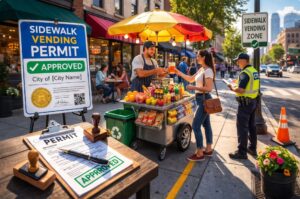
Sidewalk Vending Permit in St. Louis, MO
Navigating the Sidewalk Vending Permit Process in St. Louis, MO
In recent years, the vibrant culture of St. Louis, Missouri, has led to a surge in sidewalk vending. This form of entrepreneurship offers a unique way for individuals to not only make a living but also to contribute to the city’s dynamic atmosphere. However, entering into the world of sidewalk vending requires an understanding of the necessary permits and regulations. This guide aims to provide comprehensive insights into obtaining a sidewalk vending permit in St. Louis, ensuring you can navigate the process smoothly.
What is Sidewalk Vending?
Sidewalk vending refers to the act of selling goods or services from a mobile setup, typically located on public sidewalks or within other public spaces. This form of commerce can include anything from food carts offering delicious street food to vendors selling handcrafted goods. In St. Louis, sidewalk vending has become an integral part of community life, enhancing the city’s diversity and flavor.
The Importance of a Sidewalk Vending Permit
Before you set up shop, it’s crucial to understand the importance of obtaining a sidewalk vending permit. Operating without the necessary permits can lead to fines, business shutdowns, and a negative reputation within the community. A sidewalk vending permit not only legitimizes your business but also ensures you adhere to health and safety regulations, protecting both you and your patrons.
Eligibility Criteria for Sidewalk Vending in St. Louis
To be eligible for a sidewalk vending permit in St. Louis, applicants must meet several criteria:
- Age: Applicants must be at least 18 years old.
- Location: Vendors should comply with zoning regulations that dictate where vending is permitted.
- Business License: A valid business license from the City of St. Louis is required.
- Health and Safety Regulations: Vendors who sell food must adhere to specific health codes and food safety standards.
Steps to Obtain a Sidewalk Vending Permit
The process of obtaining a sidewalk vending permit in St. Louis requires several key steps:
Step 1: Research and Prepare
Before applying for a permit, conduct thorough research on the regulations specific to your vending location. Familiarize yourself with the areas where vending is allowed, the types of goods you can sell, and any additional requirements.
Step 2: Complete the Application
Once you have gathered the necessary information, you will need to complete the application for a sidewalk vending permit. The application can typically be found on the City of St. Louis’s official website or at the local municipal office.
Step 3: Provide Required Documentation
Accompany your application with the necessary documentation, which may include:
- A copy of your business license.
- Health permits (if food-related).
- Proof of liability insurance.
- A site plan indicating where you intend to operate.
Step 4: Pay the Application Fee
There is usually an application fee associated with obtaining a sidewalk vending permit. Ensure that you are prepared to pay this fee, as it may vary based on your location and the nature of your business.
Step 5: Await Approval
After submitting your application, the city will review your documentation and determine whether to approve your permit. This process may take several weeks, so patience is essential.
Step 6: Understand the Rules
Once approved, familiarize yourself with the rules and regulations that govern sidewalk vending in St. Louis. These may include restrictions on the size and type of your vending setup, operating hours, and requirements for maintaining a clean environment.
Regulations Specific to Sidewalk Vendors in St. Louis
The city of St. Louis has established specific regulations for sidewalk vendors to ensure that public spaces remain accessible and safe for everyone. Some of these regulations include:
- Location Restrictions: Vendors must set up their stations at designated locations. Certain areas, such as near building entrances, fire hydrants, or crosswalks, may be off-limits.
- Size Limitations: There are regulations regarding the size of carts and setups to ensure they do not impede pedestrian traffic.
- Operating Hours: Vendors may be required to operate only during specific hours, which are laid out in the permit guidelines.
- Health Code Compliance: Food vendors must comply with local health codes, ensuring that food is safe for public consumption.
Costs Associated with Obtaining a Sidewalk Vending Permit
The costs of obtaining a sidewalk vending permit in St. Louis can vary depending on several factors, including the type of goods sold and the location of your vending setup. Applicants should be prepared for the following potential costs:
- Application Fee: This fee can range from [amount] to [amount], depending on the specifics of your application.
- Business License Fee: Costs for a business license vary but may range from [amount] to [amount].
- Insurance Costs: Vendors may be required to carry liability insurance, which can also vary based on your coverage needs.
Benefits of Sidewalk Vending
Despite the challenges and regulations, there are numerous benefits to becoming a sidewalk vendor in St. Louis:
- Flexibility: Sidewalk vending allows for flexible hours and the potential for increased income.
- Community Engagement: Vendors often become integral parts of local communities, providing unique products and fostering a sense of connection.
- Low Overhead Costs: Compared to operating a brick-and-mortar store, sidewalk vending often requires lower startup costs.
- Culinary Diversity: Vendors contribute to the diversity of food and products available, enhancing the city’s cultural landscape.
Challenges Faced by Sidewalk Vendors
It’s essential to recognize the challenges that sidewalk vendors may encounter, including:
- Regulatory Compliance: Staying informed about changing regulations can be time-consuming and requires diligence.
- Seasonal Variability: Weather conditions can impact sales, particularly for outdoor vending.
- Location Competition: High competition in popular locations may require vendors to find unique spots to attract customers.
Conclusion
The sidewalk vending scene in St. Louis is an exciting opportunity for entrepreneurs willing to navigate the necessary legal frameworks and invest in their future. By obtaining a sidewalk vending permit and adhering to city regulations, you can not only launch your business but also contribute to the rich tapestry of local culture. So, gather your materials, complete your application, and prepare to make your mark on the sidewalks of St. Louis! Always remember that maintaining an open line of communication with city officials can further ease the process and provide essential support as you embark on this entrepreneurial journey.
For further information or assistance, don’t hesitate to contact your local city office or [item].