Food Truck Permits in Saint Paul, MN
Understanding Food Truck Permits in Saint Paul, MN
Entering the food truck business can be an exciting venture, especially in a vibrant city like Saint Paul, MN. However, before you hit the streets with your culinary creations, you need to navigate the regulatory landscape to secure the necessary permits. This guide provides an in-depth look at the process of obtaining a food truck permit in Saint Paul, ensuring you have all the information you need to operate legally and successfully.
Why Permits Matter
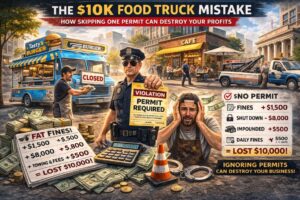
Operating a food truck without proper permits can lead to hefty fines and the potential shutdown of your business. Permits are not just bureaucratic hurdles; they are essential for public safety, health regulations, and ensuring fair competition among street food vendors. Understanding the permit system will help you build a reputation as a reliable and law-abiding vendor.
Types of Permits Required
To operate a food truck in Saint Paul, you will need several key permits. Each has its criteria and application process:
1. Mobile Food License
The most crucial permit you’ll need is the Mobile Food License. This license allows you to sell food from a mobile unit and ensures that your operation complies with local health codes. To apply, you must submit an application to the City of Saint Paul’s Department of Safety and Inspection (DSI).
Application Requirements:
- Completed application form
- Payment of the licensing fee
- Proof of liability insurance
- A copy of your food handler’s training certificate
2. Health Permit
In addition to the mobile food license, a health permit is essential. This permit is issued by the Minnesota Department of Health and is intended to ensure your food truck complies with all health and safety regulations.
Health Permit Requirements:
- Food safety training for all staff
- Compliance with health and sanitization regulations
- A detailed layout of your food preparation areas, including equipment details
3. Sales Tax Permit
Since food sales are taxable, you’ll also need a Sales Tax Permit from the Minnesota Department of Revenue. This permit is crucial for collecting and remitting sales taxes on your food sales.
Steps to Obtaining Your Sales Tax Permit:
- Complete the application online through the Minnesota Department of Revenue website.
- Provide necessary business information, including your legal business name and address.
How to Apply for a Food Truck Permit
Applying for these permits can feel overwhelming, but breaking it down into manageable steps can simplify the process. Here is how you can tackle the application process.
Step-by-Step Application Process
- Research: Gather all necessary information regarding permits and regulations. Familiarize yourself with local laws.
- Training: Ensure that you and your staff undergo required food safety training. Certificates should be ready for submission.
- Prepare Documentation: Organize and complete all relevant forms. This includes the mobile food license application, health permit application, and sales tax permit application.
- Submit Applications: Send your applications along with any required fees to the respective agencies:
- Submit the mobile food license application to the City of Saint Paul’s DSI.
- Send the health permit application to the Minnesota Department of Health.
- Apply for the sales tax permit online.
- Follow Up: After submission, keep track of your application status. Contact the agencies if you do not receive feedback within a reasonable time.
- Inspection: Be prepared for inspections. The health department will schedule an inspection to ensure compliance with health guidelines.
Costs Associated with Food Truck Permits
Costs can vary significantly depending on the type of permits and additional requirements. Here is a general breakdown of what to expect:
- Mobile Food License: The fee can vary based on the size and type of your operation. Expect to pay anywhere from $200 to $700 for the license.
- Health Permit: This typically costs around $500 to $1,000, depending on the complexity of your operation and the services you plan to offer.
- Sales Tax Permit: Generally, this permit is free of charge, making it a low-cost but essential requirement.
It’s also worth noting that you might incur costs for liability insurance, equipment, and any additional training sessions, adding to your overall startup budget.
Setting Up Your Food Truck
Once your permits are secured, the next step is setting up your food truck. Here’s a look at what you need to consider:
Design and Equipment
Your food truck must be properly equipped to handle your menu offerings. Invest in cooking equipment that meets safety regulations and enhances efficiency. Layout and design should allow for smooth workflow during service.
Branding
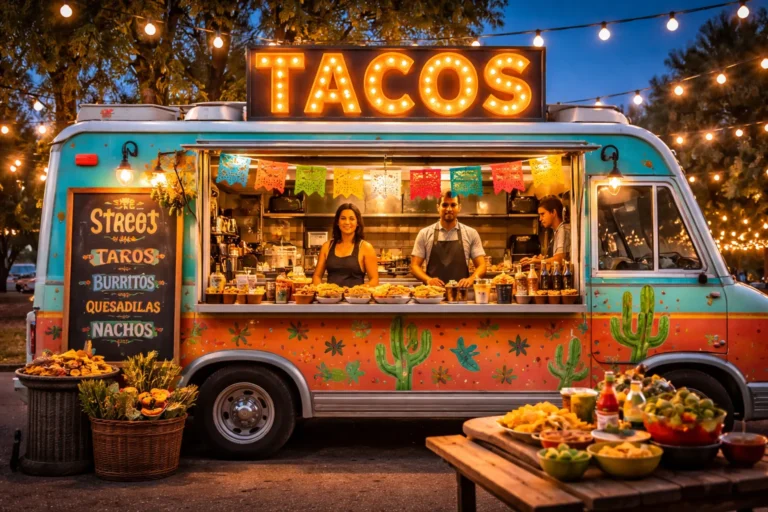
Your food truck will be a moving advertisement, so branding it effectively is crucial. Ensure your truck reflects your brand and resonates with your target audience. Consider eye-catching graphics, a compelling name, and a well-designed menu.
Location Selection
Choosing the right location can make or break your food truck business. Study local foot traffic, events, and the competition. Saint Paul has various locations that attract crowds, from city parks to festivals.
Marketing Strategies
To attract customers, employ various marketing strategies. Use social media to create buzz, engage with your audience, and announce your locations. Consider collaborations with local businesses and participating in food truck events to increase visibility.
Compliance and Regulations
Once your business is up and running, ensure consistent compliance with all regulations. This means:
- Keeping health permits up to date
- Renewing licenses as necessary
- Adhering to food safety guidelines
- Managing employee health and safety training
Handling Customer Feedback
Engaging with your customers and being open to feedback can greatly improve your service. Encourage reviews on social media and respond promptly to any issues raised.
Conclusion
Starting a food truck in Saint Paul, MN can be a rewarding experience that combines culinary creativity with entrepreneurship. By understanding and meticulously following the process for obtaining the necessary permits, you’re setting yourself up for success. Always stay informed about local regulations, embrace customer engagement, and adapt based on feedback to thrive in this exciting industry.
With the right preparation and a passion for food, your food truck can become a beloved part of the Saint Paul dining scene. Good luck on your journey as a food truck owner, and happy cooking!