Food Truck Permit in Dallas, TX
Navigating Dallas Food Truck Permits: Your Essential 2026 Compliance Guide
Dream of rolling through Dallas streets with your own food truck, dishing out barbecue or tacos to eager eaters? The city’s food scene explodes with energy, pulling in millions of visitors each year who crave quick, fresh meals. Yet, jumping into mobile vending hits a big snag: thick layers of local rules that can stall your start.
This guide cuts through the mess. It lays out a clear path to grab all needed Dallas food truck permits. You’ll learn steps from setup to launch, so you avoid fines and get cooking fast. In the DFW area, food trucks rake in solid cash—think spots like Deep Ellum with its weekend crowds or Uptown’s lunch rush drawing office workers. High foot traffic means big potential, but only if you nail the permits right.
Section 1: Foundational Requirements – Before You Apply
Understanding Dallas Jurisdiction: City vs. County Health Department
Dallas splits its rules between city offices and county health folks. The City of Dallas oversees zoning spots and daily operations for your truck. Meanwhile, Dallas County Health and Human Services (DCHHS) checks food safety and handles licenses for prep and serving.
This split means double work, but it keeps things safe. City rules focus on where you park and run your business. County side dives into hygiene and inspections to stop foodborne issues.
Check the official DCHHS site for food safety courses: Dallas County Health and Human Services Food Establishments. They list approved classes you must take before applying.
Business Structure and Tax Registration
Start by picking a business setup, like a sole proprietorship or LLC. This protects you and looks pro to officials. Next, get a Federal Employer Identification Number (EIN) from the IRS—it’s free and quick online.
Texas demands a Sales Tax Permit too. Grab it from the Texas Comptroller of Public Accounts. Without this, you can’t collect sales tax on your grub, and that’s a must for any seller in the state.
File for it early. It ties to your EIN and proves you’re legit. Skip this, and your truck stays parked.
Securing Commissary Kitchen Approval
Dallas law says your food truck needs a commissary—a fixed kitchen spot with full licenses. It’s your base for cleaning, storing food, and dumping waste. No home garage counts; it has to be commercial.
You’ll need key papers from the commissary owner. A Letter of Agreement works, or a Shared Use Contract if you share space. Submit these with your city app to show you have a solid setup.
Pick a commissary near your routes. It saves time on daily trips and meets health rules head-on.
Section 2: Dallas Fire Department Clearance and Inspections
Fire Safety Plan Submission and Review
Your truck must meet fire codes before it hits the road. Submit a safety plan to the Dallas Fire Department (DFD). Cover propane tanks, exhaust hoods, and fire suppression gear like ANSUL systems.
K-Class extinguishers are a must for kitchen grease fires. The DFD reviews your plan fast, but only if details match city standards. Pass this, or no go on operations.
Trucks often fail first tries on small stuff. Double-check your setup against DFD guidelines to speed things up.
Required Fire Inspection Checklist Items
Inspectors zero in on key spots during checks. They look for clear vents with enough space from walls. Emergency shut-off valves need easy access, no hiding behind gear.
All suppression tools require tags showing recent service. Dallas follows NFPA codes for mobile units, so match those specs. One tip: Label everything clearly to impress the checker.
Keep records of past inspections. It helps if issues pop up later. Focus on these, and your truck clears fire hurdles quick.
Section 3: Health Department Licensing – The Dallas County Permit Process
Obtaining the Food Service Establishment Permit (FSEP)
The FSEP from DCHHS is your food safety ticket. Schedule an initial inspection for your truck after fire clearance. They check sinks, fridges, and storage for cleanliness.
One staffer needs Food Manager Certification—get it from an approved course. Everyone else grabs a basic Food Handler Permit, valid for two years. These prove your team knows safe handling.
Inspections happen on-site. Fix any flags right away to pass. This permit lets you serve without health worries.
Commissary Approval and Servicing Requirements
DCHHS demands a tight link to your commissary. It must have a three-compartment sink for washing, plus grease traps and waste dump spots. Potable water and wastewater handling stay top priority.
Show proof of regular servicing. Contracts for grease removal and trash pickup go with your app. Daily logs track commissary use too.
Without this, your permit stalls. Strong ties keep health officials happy and your operations smooth.
Section 4: City of Dallas Vending Permits and Zoning Compliance
The City of Dallas Mobile Food Vendor Permit Application
City permits differ from county health ones. The Dallas Department of Sustainable Development and Construction handles operations. Fill out the Mobile Food Vendor form with your business info and commissary details.
Insurance is key here. Get General Liability at least $1 million, and Commercial Auto for your truck. Name the City of Dallas as additional insured on policies.
Submit everything online or in person. Fees run around $200 yearly, but check for updates. This green-lights your vending spots.
Navigating Dallas Zoning and Parking Regulations
Zoning rules limit where you park. Stay 500 feet from restaurants with open dining—it’s to keep fair play. Avoid residential areas during quiet hours, and the Central Business District has tight curbs on street vending.
Good spots include mixed-use zones like Klyde Warren Park edges or event lots. Operate from 7 a.m. to 10 p.m. in approved areas, but events stretch that.
Dallas Code Chapter 16 covers mobile vendors—read it for exacts. Map your routes early to dodge no-go zones.
Permitting for Special Events and Temporary Locations
Big festivals or pop-ups need extra papers. Apply for a Special Event Permit through the city’s Office of Special Events. It covers one-off spots outside regular zones.
For private land, get owner okay in writing. Even if zoning fits, no permission means trouble. Fees vary by crowd size, often $50 to $500.
Plan ahead—these permits take weeks. They open doors to high-traffic gigs like State Fair spots.
Section 5: Finalizing Operations and Maintaining Compliance
Signage, Vehicle Specifications, and Operational Aesthetics
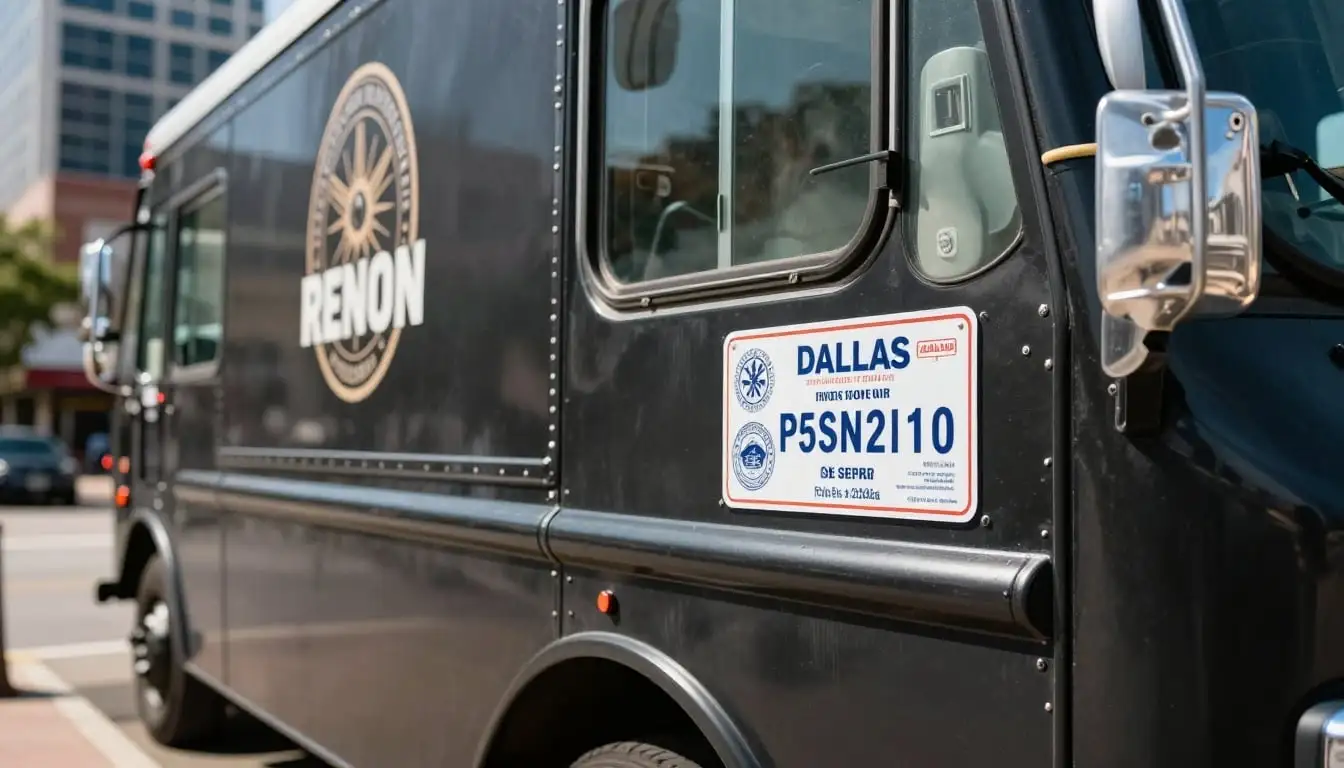
Dallas wants your truck to look sharp and safe. Display permit numbers big on both sides—health, fire, and city ones. No flashing lights that blind drivers; keep it simple.
Waste rules are strict. Contain gray water in tanks, dump only at commissary. If you add seats, ensure they’re stable and clean.
Bright signs draw customers, but follow size limits. A clean rig boosts your rep in picky Dallas crowds.
Permit Renewal Schedules and Continuing Education
Most permits renew yearly. City vending expires December 31; health ones match your inspection date. Book checks early to beat rushes.
Refresh certifications too—Food Handlers every two years. Keep a file of all docs for quick renewals. Miss deadlines, and you face $500 fines per day.
Streamline by setting calendar alerts. It keeps your truck rolling without gaps.
Conclusion: Your Dallas Food Truck Launch Checklist
Lock in your Dallas food truck permits with these core steps: handle business and tax setup first, clear fire safety next, then snag health approvals. Strong paperwork ties it all together—organize files in one spot to breeze through apps.
In Dallas’s hot market, skipping corners costs time and cash. Stay on top of rules to serve up success. Ready to launch? Gather your docs today and hit the streets serving what Dallas loves.