Sidewalk Vending Permit in Charlotte, NC
Navigating Charlotte NC Sidewalk Vending Permits: Your Complete 2026 Guide
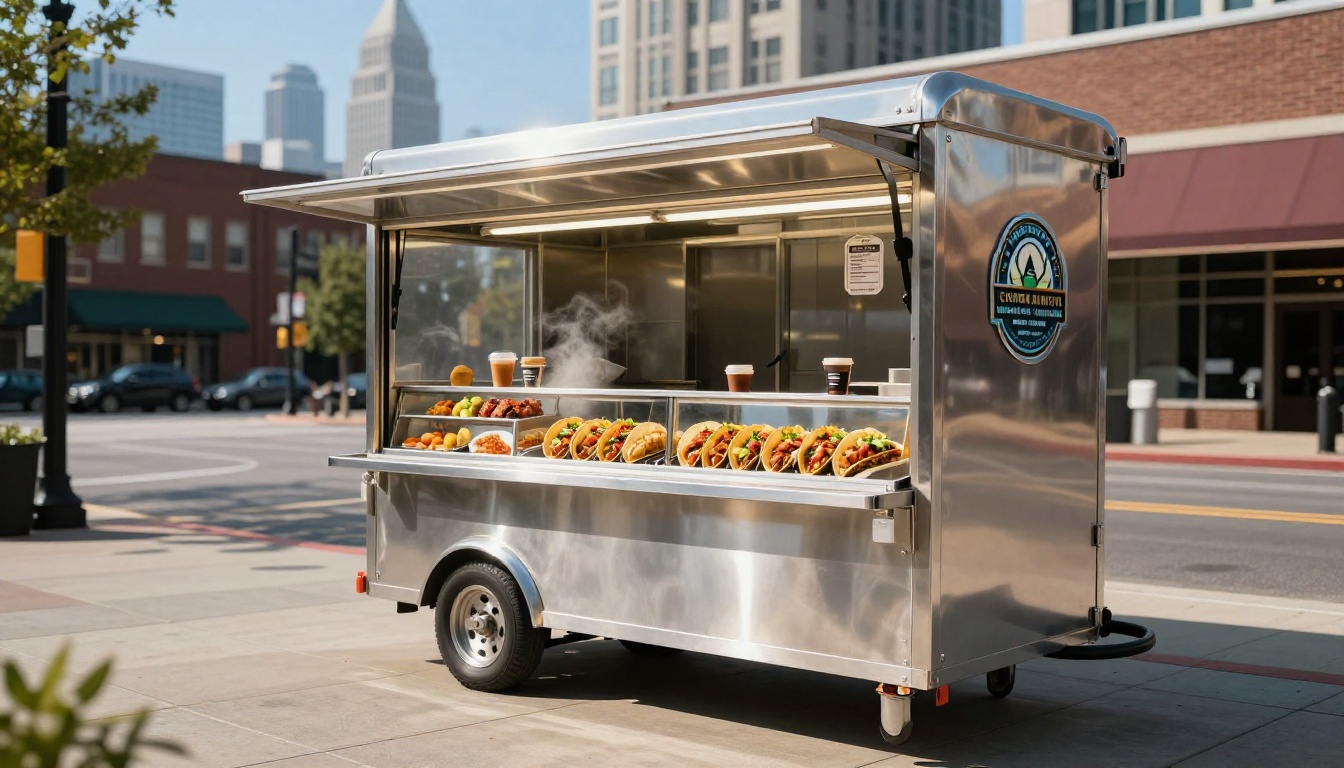
Charlotte’s streets buzz with energy these days. Food carts line the sidewalks in Uptown. Shoppers grab quick bites from vendors selling tacos or handmade crafts. This street vending boom draws entrepreneurs from all walks. But here’s the catch—you can’t just set up anywhere. City rules demand a sidewalk vending permit in Charlotte NC to keep things safe and fair. Without one, you risk fines or shutdowns. This guide walks you through every step. You’ll learn the rules, the process, and tips to thrive in the Queen City.
Understanding Charlotte’s Vending Regulations: Zones and Restrictions
City leaders in Charlotte set clear boundaries for sidewalk vending. These rules protect pedestrians and businesses. They also boost the local economy by guiding where vendors can operate.
Designated Vending Districts vs. General Sidewalk Areas
Uptown Charlotte stands out as a prime spot. High foot traffic there means stricter oversight. The city marks zones like Trade and Tryon Streets for approved carts. South End, with its trendy breweries and shops, has similar setups. In these districts, you get priority for permits. But outside them, like quiet neighborhoods, rules loosen a bit. General sidewalk areas allow vending if you stay mobile and follow basics. Check the city’s zoning map online to spot these spots. It helps avoid surprises.
Pro tip: Uptown’s vending districts often fill up fast. Apply early if that’s your target.
Prohibited Vending Locations and Setback Requirements
Some places stay off-limits for good reason. You can’t vend near light rail stops or bus shelters. That blocks transit users. Public parks need separate deals from the parks department. Stay at least five feet from building doors. This keeps entrances clear. Crosswalks demand a 10-foot buffer. No crowding other vendors either—space out by 20 feet. These setbacks prevent chaos on busy walks. Ignore them, and inspectors issue tickets quick. A vendor in NoDa learned this the hard way last year. He blocked a shop door and faced a $200 fine.
Operational Hours and Noise Ordinances Affecting Vendors
Sunrise to sunset sets the main window for vending. In Uptown, you wrap up by 10 p.m. on weekends. Weekdays end earlier at 8 p.m. These hours match peak crowds. Noise rules add another layer. Generators hum low—under 65 decibels. No blasting music from speakers. Amplified sounds draw complaints fast. Food sizzle or chatter stays fine. But loud fans or radios? Not so much. Follow these, and neighbors stay happy. It keeps your spot welcome.
The Step-by-Step Process for Securing Your Charlotte Sidewalk Vending Permit
Getting your permit feels like a puzzle. But break it down, and it’s doable. Start with prep work. Then tackle the application. Expect some wait time—up to four weeks.
Required Documentation and Pre-Application Checklist
Gather your papers first. Register your business with Mecklenburg County. You’ll need that certificate. Proof of insurance comes next—general liability at least $1 million. For food sales, snag a health permit from the county. Include your photo ID and a site sketch. Show your cart’s layout and spot on the sidewalk. If you’re selling crafts, skip the health part. But all need a background check. No felonies in the last five years for public safety roles. Double-check everything. Missing items delay approval.
- Business registration proof
- Insurance certificate
- Health certification (food only)
- ID and site plan
- Background check form
Navigating the City of Charlotte Permitting Portal and Fees Structure
Head to the Charlotte Business REV website. That’s the online hub for permits. Create an account and upload docs. Or visit the office at 600 E. Fourth St. downtown. Fees start at $150 for the application. Annual renewal hits $100. Uptown zones add $50 extra. Food vendors pay $75 more for health ties. Pay by card or check. Track your status online. It shows reviews from zoning and health teams. Questions? Call 704-336-7600. They guide you through snags.
Budget for extras. Some spots require bond fees too.
Health Department Inspection Requirements for Mobile Food Vendors
Food carts face extra scrutiny. Submit plans first to Mecklenburg County Health. Detail your menu, water setup, and waste plan. They review for sanitation risks. Secure a commissary spot—a licensed kitchen for prep and storage. Get a letter of intent from them before applying. Then comes the on-site check. Inspectors look at handwashing sinks and temp controls. Fridges must hit 41 degrees or below. Pass, and you get the nod. Fail? Fix issues and retest. One tip: Test your setup at home first. It saves headaches.
Actionable tip: Lock in that commissary letter early. It speeds up the whole process.
Essential Insurance and Safety Compliance for Charlotte Vendors
Safety tops the list for vendors. One slip can end your day. Insurance shields you from claims. Compliance keeps crowds safe.
Minimum Liability Insurance Requirements for Sidewalk Operations
Carry general liability coverage. Minimum is $1 million per incident. Name the City of Charlotte as additional insured. This covers slips on spilled drinks or cart tip-overs. Get it from providers like Hiscox or State Farm. They know vending needs. Auto insurance applies if you tow your cart. Proof goes with your permit app. Renew yearly to match. Skip it, and the city pulls your permit. A South End vendor skipped updates last summer. He paid $5,000 in claims out of pocket.
ADA Compliance and Sidewalk Clearance Mandates
Pedestrians rule the walk. Keep a five-foot clear path open. That’s ADA standard for wheelchairs and strollers. Place carts to one side. No blocking ramps or curbs. Measure it out each setup. Fines hit $250 for first offenses. Last fall, an Uptown ice cream cart got cited. It narrowed the path during lunch rush. Inspectors measure and warn. Fix fast to avoid repeats. Think of it as sharing the street. Everyone wins.
Fire Safety Protocols for Cooking and Electrical Equipment
Fire risks lurk in cooking gear. Secure propane tanks upright and chained. Limit to 20 pounds per tank. Place generators 10 feet from carts. Use Type K extinguishers for grease fires—keep one handy. Cords stay off walks. No daisy-chaining plugs. Charlotte Fire Department checks these. They train on basics if needed. A grill vendor in Plaza Midwood aced his last year. He stored tanks right and passed easy. Follow rules. It prevents scary incidents.
Post-Permit Responsibilities and Maintaining Compliance
Your permit isn’t a free pass. Ongoing duties keep you legal. Stay on top, or face trouble.
Permit Display Requirements and Identification
Show your permit front and center. Affix it to your cart’s side. Make it visible from 10 feet. Wear a vendor ID badge too. It lists your name and number. Lose it? Report to the city fast. Inspectors spot-check daily in busy zones. No display means a $100 fine. Keep backups laminated. It shows you’re serious.
Waste Management and Maintaining Cleanliness Standards
Trash builds quick. Provide your own bins—two per cart. Empty them at day’s end. No dumping in city cans. Food vendors handle gray water separate. Drain it at approved sites only. Sweep your spot clean after packing up. Leaves no trace. Health teams fine $150 for litter. A craft seller in South End shines here. He uses biodegradable bags. It cuts waste and impresses customers.
Renewal Cycles and Avoiding Permit Expiration Penalties
Permits last one year. Renew 30 days before expiry. Email reminders come from the city. Miss it, and you pay $50 late fee. Operate expired? Fines jump to $500. Suspension follows for repeats. Mark your calendar. Tie it to your birthday for ease. Stay current, and vending flows smooth.
Conclusion: Key Takeaways for Successful Sidewalk Vending in the Queen City
Mastering sidewalk vending permits in Charlotte NC opens doors to profit. Zoning rules shape your spot. The application process demands solid docs and patience. Insurance and safety lock in protection. Post-permit care ensures you last.
Key takeaways:
- Pick zones wisely—Uptown thrives but fills quick.
- Gather insurance and health proofs upfront.
- Display your permit proud and renew on time.
- Keep paths clear and waste managed.
Stick to these, and you’ll build a solid street business. Charlotte welcomes vendors who play by the rules. Grab your permit today. Hit the sidewalks and serve up success.