Food Truck Permit in Portland, OR
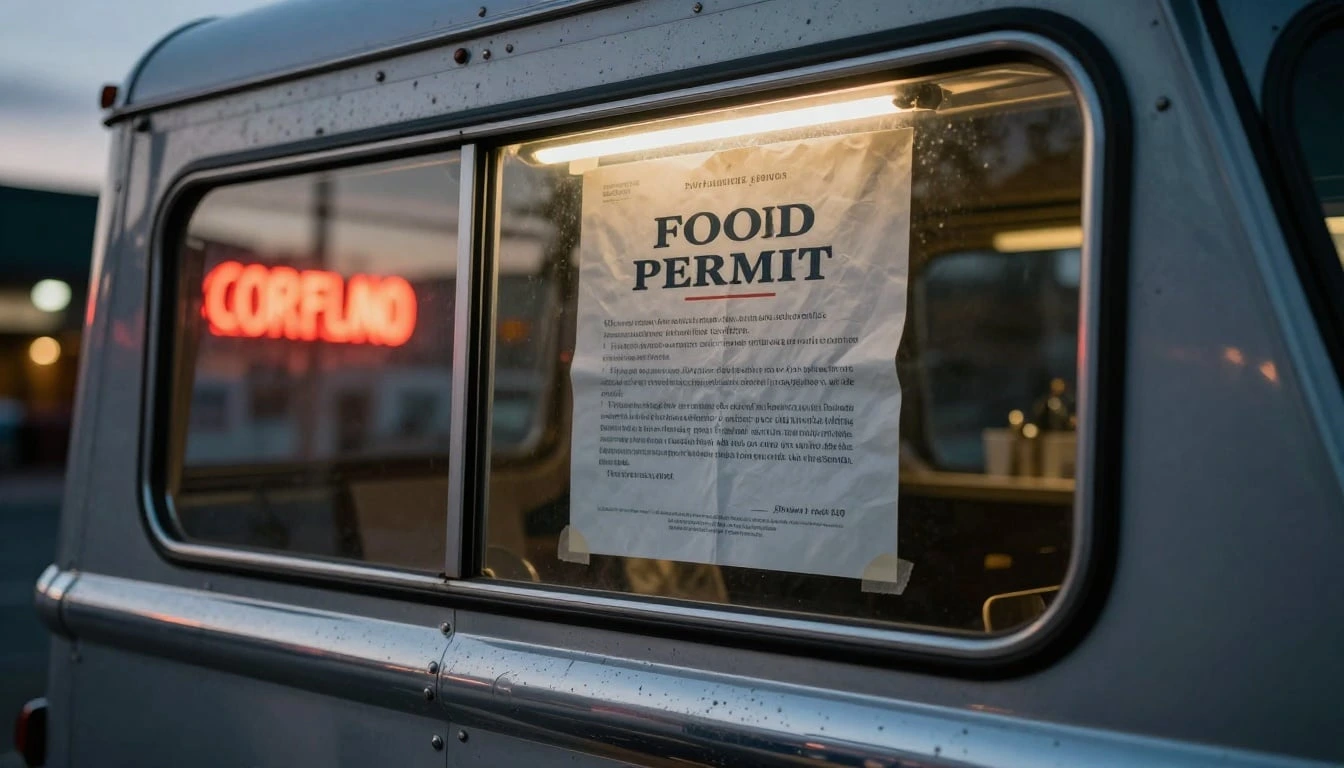
Navigating the Portland Food Truck Permit Maze: Your Essential 2026 Guide
Portland buzzes with food cart energy. Folks flock here for tacos, ramen, and grilled cheese that hit just right. But before you fire up your grill on wheels, you face a web of rules. Getting a food truck permit in Portland, OR, can feel like a puzzle. This guide breaks it down step by step. You’ll learn how to launch your mobile eatery legally in Multnomah County. Stick with us, and you’ll dodge common pitfalls.
Section 1: Understanding Portland’s Regulatory Framework for Mobile Food Units
Portland treats food trucks and carts as mobile food units. Rules come from several city spots. They aim to keep streets safe and food clean. Knowing this setup helps you plan ahead.
Defining “Food Truck” vs. “Food Cart” in Portland Bureau of Development Services (BDS) Terms
The city sees a food truck as a self-powered vehicle with a kitchen inside. It needs its own engine and can drive to spots. Food carts, though, often sit on trailers pulled by trucks. They rely on hookups for power and water. Size matters too—trucks cap at certain lengths to fit tight streets. These differences shape your permit needs. For example, a big truck might need extra checks for road safety.
Carts must show self-sufficiency in utilities. That means built-in sinks or propane setups. Trucks often have more space for gear. Check BDS docs for exact sizes. Wrong class could delay your start. Always match your build to city terms.
Key Agencies Involved: A Multi-Departmental Approach
Multnomah County Health Department (MCHD) leads on food safety. They check your setup for germs and handling. Portland Bureau of Development Services (BDS) handles building codes. They inspect your unit’s structure. Portland Bureau of Transportation (PBOT) oversees parking and street use. No blocking traffic allowed. The Fire Marshal’s office eyes fire risks like gas lines.
Each group plays a part. MCHD says yes to health. BDS green-lights the build. PBOT picks your spots. Fire folks ensure no blazes. Coordinate with all to avoid back-and-forth. Start with MCHD—they often flag other needs early.
Current Local Ordinances and Zoning Restrictions
You can’t park just anywhere. Pods like Cartopia offer set spots with power. Street vending needs PBOT nods. Stay 200 feet from restaurants to avoid gripes. Keep 20 feet from corners for safety. No ops in residential zones without okay.
Pods beat solo spots for newbies. They group carts for easy crowds. But rules tighten in busy areas. Check zoning maps online. Violations mean fines up to $500. Plan spots that fit rules from day one.
Section 2: The Health Permit: Multnomah County’s Mandate
Health rules top the list. MCHD demands proof your food stays safe. Skip this, and you can’t serve. Their permit keeps Portland’s eats top-notch.
Plan Review Submission and Pre-Operational Approval
Submit plans to MCHD first. Include your menu—list every dish. Detail equipment like fridges and stoves. Draw plumbing layouts for sinks and drains. Sign a commissary deal for off-site prep. Without these, approval stalls.
Expect a review in 10-20 days. They spot issues like missing handwash stations. Fix fast to move on. Tip: Lock in your commissary before filing. It proves you handle waste right. Many fail here by rushing.
Commissary Kitchen Requirements and Agreements
Every unit needs a commissary. It’s a licensed spot for water, cleaning, and storage. Your truck can’t do it all alone. Use it for dumping gray water and refilling. Grease goes there too, no street dumps.
Get a written agreement from the owner. It must list services and hours. MCHD checks this paper. Fines hit hard for no setup—think $250 plus shutdowns. Pick a busy commissary near pods. It saves time on trips.
Food Handler Cards and Certification for Operators
All staff need Oregon Food Handler Cards. Take a quick online test—it’s $10 and lasts three years. Covers basics like temp checks and cross-contamination. Owners too, no skips.
For managers, grab a higher cert. It’s 16 hours on deep topics. Renew every three years. Portland follows state rules tight. Train early; it builds good habits. Safe food draws repeat customers.
Section 3: Business Licensing and Zoning Approvals
Licenses make you official. State and city want their cut. Zoning picks your turf. Get these to run smooth.
Securing Necessary Business Licenses (City and State)
Start with Oregon Revenue for a tax ID. It’s free and online—takes minutes. Then grab a Portland Business License. File through the city site; fee’s about $100 yearly. List your biz type as mobile food.
Register for sales tax too. Oregon has none statewide, but track it local. Renew licenses each year. Miss it, and ops halt. Many new trucks forget state steps first.
Navigating Site Approval: PBOT and Parking Permits
PBOT rules street spots. Apply for a vending permit—$150 base. Show your health okay first. They map safe zones. Private lots need owner sign-off.
Pods simplify this. Rent a bay for $500-800 monthly. It includes power and zoning. Street permits renew often; watch dates. Bad spots mean tickets fast.
Fire Safety Inspection and Certification
Fire Marshal checks your setup. Look at propane tanks—secure and vented. Hoods need suppression systems for grease fires. Stock ABC extinguishers, inspected yearly.
Schedule after BDS okay. They test alarms and exits. Pass rate’s high if prepped. Cost: $100-200. No cert, no open. It’s quick peace of mind.
Section 4: Vehicle and Operational Compliance (BDS and Safety)
Your unit must hold up. BDS eyes the build. Safety keeps you rolling safe.
Structural and Mechanical Inspection by BDS
BDS inspects counters at 36 inches high. Wires must meet code—no exposed bits. Floors seal tight against spills. They check for rust or weak spots.
Book after plans pass. Fee’s $200ish. Fixes add time, so build right. Many pass on first try with pros. It’s your food home—make it solid.
Securing Vehicle Registration and Insurance Requirements
Register with Oregon DMV if self-propelled. Get commercial plates; $100 plus. Trailers tag too. Insurance covers at least $500k liability. Add property for your gear—$1k-3k yearly.
Shop quotes early. Proof goes to MCHD. No coverage, no permit. It protects against wrecks or suits. Common for trucks to hit minimums.
Waste Disposal and Grease Trap Compliance
Haul waste to commissary daily. No curbside dumps—fines $1,000 up. Use traps for grease; clean monthly. Licensed haulers charge $50 per.
Track logs for inspectors. Pods often share systems. Illegal dumps hurt rivers. Stay clean; it’s law and good sense.
Section 5: Financial Requirements and Fee Structures
Costs add up quick. Budget for permits and more. Know them to avoid shocks.
Estimated Total Cost Breakdown for Initial Permitting
Plan review at MCHD: $400-600. BDS inspection: $200-400. PBOT permit: $150. Fire check: $150. Total hits $1,000-2,000 easy. Fees shift by unit size.
Add lawyer help if stuck—$500 extra. No fixed list; call agencies. Save by prepping docs right.
Operational Costs: Insurance, Fees, and Cart Pod Rentals
Insurance runs $2,000 yearly. Licenses renew at $100 each. Pods cost $600 monthly average. Fuel and maintenance tack on $500.
Track all for taxes. Budget 20% over for surprises. Pods cut some fees with shared utils.
Tax Obligations for Mobile Vendors in Portland
File Oregon business taxes quarterly. Track sales for reports. No state sales tax, but local biz licenses tax income. Deduct pod rent and fuel.
Use software like QuickBooks. Pros help with mobile quirks. Stay current; audits sting.
Conclusion: Launching Your Portland Food Cart Successfully
Three steps stand out. First, nail that commissary deal—it’s your base. Second, ace the MCHD plan review for health green light. Third, clear PBOT zoning to pick spots right. Miss any, and dreams stall.
Portland’s food scene rewards grit. Your truck could join the icons. Jump in, follow this path, and serve up success. Ready? Contact MCHD today and get rolling.