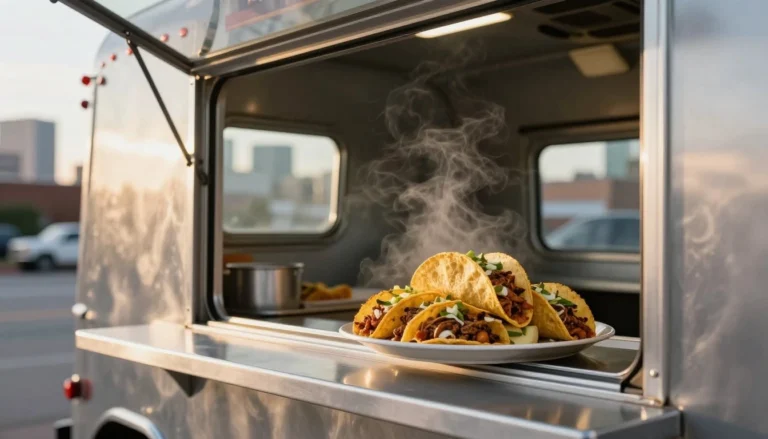
Food Truck Permit in Anchorage, AK
Navigating the Food Truck Permit Process in Anchorage, AK
Starting a food truck business in Anchorage, Alaska can be an exciting venture filled with culinary creativity and the opportunity to explore the beautiful outdoors. However, before you hit the road, it’s crucial to understand the permitting process. This guide will walk you through obtaining a food truck permit in Anchorage, ensuring you comply with local laws and regulations while setting your culinary dreams into motion.
Understanding Food Truck Regulations in Anchorage
Anchorage has specific regulations governing food trucks to maintain public health and safety. These regulations, enforced by the Municipality of Anchorage, focus on food safety, vehicle sanitation, and operational guidelines. Below are some key aspects to consider:
Food Safety Regulations
Food safety is paramount in the food industry. In Anchorage, the health department mandates compliance with the Alaska Food Code, which includes proper food handling, storage, and preparation techniques. A food truck must adhere to these codes to avoid health violations and ensure customer safety.
Vehicle Requirements
Your food truck must meet specific criteria to operate legally. This includes maintaining cleanliness, being equipped with necessary appliances (like refrigerators and hot water systems), and having sanitary waste disposal systems. The vehicle should be in good condition and meet the safety standards set forth by local authorities.
Steps to Obtain a Food Truck Permit
Obtaining a food truck permit involves several steps, each requiring careful attention to detail. Here’s a breakdown of the process:
Step 1: Develop Your Business Plan
Before applying for a permit, drafting a comprehensive business plan is advisable. This plan should outline your menu, target market, and location strategy. It will also be useful when seeking financing or investors.
Step 2: Choose Your Food Truck Location
Location plays a critical role in the success of your food truck. Research potential locations around Anchorage to identify high-traffic areas that can attract customers. Consider local events, fairs, and popular festivals to amplify your reach.
Step 3: Register Your Business
Register your food truck business with the State of Alaska. Choose a suitable business name and confirm its availability. Depending on your business structure (sole proprietorship, LLC, etc.), you may need to file different documents. Be sure to obtain a business license from the municipality as well.
Step 4: Acquire Food Handler Permits
All employees who will be handling food must obtain food handler permits. This typically involves completing a food safety training course. Ensure all staff members are compliant to avoid any legal or health issues.
Step 5: Submit Your Food Truck Permit Application
Once you have all your documents in order, it’s time to submit your application. The application typically requires:
- Proof of your business license
- Completed food handler permits for all employees
- A detailed menu
- A layout of your food truck
- Any required zoning approvals
You might need to provide additional documents depending on your specific business model and location.
Step 6: Undergo Inspection
After submitting your application, your food truck will require an inspection by the Anchorage health department. This inspection ensures that your truck meets all health and safety codes. Be prepared to demonstrate compliance with food storage, preparation, and sanitation practices.
Step 7: Obtain Necessary Licenses and Permits
Aside from the food truck permit, you may need additional licenses or permits such as:
- A sales tax permit
- Special event permits for specific locations or events
- Parking permits if you plan to park in public spaces
Step 8: Prepare for Operation
Once you obtain all necessary permits and licenses, it’s time to prepare for opening day. Invest in marketing strategies and outreach efforts to attract customers, and ensure your truck is stocked and fully equipped.
Costs Associated with Food Truck Permits
Starting a food truck business in Anchorage isn’t without its expenses. Here’s a breakdown of some potential costs you may incur while obtaining your food truck permit:
Permit and License Fees
Fees for food truck permits and business licenses in Anchorage can vary. Be sure to check with the local government for the most current fee schedules. It’s essential to factor these costs into your overall business budget.
Equipment and Vehicle Costs
Investing in a reliable food truck equipped with all necessary appliances can be costly. Research various options and review both new and used trucks to find one that fits your budget while remaining functional.
Health and Safety Training
Most food handlers must complete training programs to qualify for a food handler’s permit. These courses often come with fees, so be sure to include them in your budget.
Insurance Costs
While not a permit requirement, obtaining business insurance is crucial for protecting your food truck. Consult various insurance providers to understand your options and get competitive quotes.
Establishing Your Brand and Marketing
Once your permits are secured, it’s time to focus on marketing your food truck business. A strong branding strategy will help differentiate your food truck from competitors. Consider the following:
Creating a Unique Brand Identity
Developing a memorable brand identity is vital in today’s crowded food market. This includes your food truck logo, color scheme, and overall presentation. Ensure that your brand reflects the type of cuisine you serve and resonates with your target audience.
Social Media Marketing
Harness the power of social media to create buzz about your food truck. Platforms like Instagram, Facebook, and Twitter can help you connect with potential customers. Post appealing food photography, updates on locations, and engage with your audience to build a loyal customer base.
Collaborating with Local Events
Participating in local events and farmers markets can substantially increase your visibility. Reach out to organizers to secure a spot at popular festivals or gatherings, which can help introduce your food to new customers.
Challenges and Solutions for Food Truck Owners
Operating a food truck in Anchorage, like any business, presents unique challenges. Here are some common hurdles and how to overcome them:
Weather Conditions
The Alaskan weather can be unpredictable, especially during the winter months. Consider investing in weather-proofing solutions like outdoor heaters to accommodate customers during colder seasons.
Regulatory Changes
Stay informed about any changes to local regulations that might impact your business. Joining local food truck associations or groups can provide valuable updates and resources.
Competition
The food truck industry is competitive. Continually innovate your menu and offerings to ensure you stand out. Engage with your customers and respond to their preferences to adapt and thrive in this dynamic market.
Conclusion
Opening a food truck in Anchorage, AK, offers an exciting opportunity to bring your culinary talents to a diverse audience. However, successfully navigating the permit process and complying with local regulations is essential. By following these steps and strategies, you can set a solid foundation for your food truck business.
Whether you’re serving gourmet tacos, artisan burgers, or fresh seafood, remember that passion and dedication to quality will keep your customers coming back for more. Good luck on your entrepreneurial journey!