Food Truck Permit in San Antonio, TX
Navigating the San Antonio Food Truck Permit Maze: Your Essential 2026 Guide
San Antonio’s streets buzz with the smell of sizzling fajitas and fresh tortillas. Food trucks have turned the Alamo City into a hot spot for tasty bites on the go. But before you fire up your grill, you need the right food truck permit in San Antonio, TX. This guide walks you through every step to get legal and start slinging your specialties.
You’ll learn the full process, from health checks to fire safety. No more guessing games or surprise fines. By the end, you’ll have a clear plan to launch your mobile kitchen without the hassle.
Section 1: Foundation – Understanding San Antonio’s Mobile Food Vending Requirements
Food trucks in San Antonio fall under strict rules from city agencies. You can’t just park and sell; compliance keeps everyone safe and your business running smooth. Multiple groups oversee this, so start here to build a solid base.
The Difference Between a Mobile Food Unit and a Trailer
The San Antonio Fire Department and Metro Health split food trucks into types. A mobile food unit moves on its own with an engine. Trailers get towed and have different setup needs.
Size matters too. Units under 28 feet face fewer hurdles than bigger ones. Power sources like electricity or gas change the regs. Know your category early to pick the right path.
For example, a self-driven truck needs vehicle checks. Trailers focus more on hitch safety. This split affects your build and inspections.
Essential Pre-Application Due Diligence
Check zoning first. Not every spot allows food trucks; city maps show green zones. You need a registered business name, like a DBA or LLC, to file papers.
A commissary kitchen agreement comes next. This is your base for cleaning and storage. Scout certified spots that match your menu needs.
Skip this homework, and you’ll hit roadblocks. Call the city planning office for free advice. It saves weeks of back-and-forth.
Reviewing the Latest San Antonio Ordinance Changes
San Antonio updates its codes often. Recent tweaks limit how close trucks park to fixed restaurants, often 200 feet away. Hours might cap at 10 p.m. in busy areas.
Always peek at the City Secretary’s records for the newest rules. Changes in 2025 pushed for better waste rules. Stay current to dodge penalties.
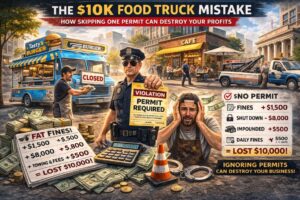
One truck owner learned the hard way last year. A quick ordinance check could have spared a $500 fine. Make it your first stop.
Section 2: Health Department Approval – The Metro Health Permit Process
Health rules top the list for any food truck permit in San Antonio, TX. The Metropolitan Health District, or Metro Health, handles this. They ensure your setup fights off foodborne bugs.
Get this right, and the rest falls into place. It’s tough but doable with prep. Focus on clean design from day one.
Plan Review Application and Mobile Unit Specifications
Submit detailed plans to Metro Health. They want plumbing layouts with a three-bay sink for washing and a hand sink nearby. Ventilation hoods must pull smoke and grease fast.
Refrigeration units hit FDA standards, keeping cold foods below 41°F. Sketch your layout clear, showing water lines and drains. Pros like engineers can help if drawings stump you.
Miss a spec, and plans bounce back. One vendor redid sinks twice before approval. Aim for FDA Food Code basics to pass quick.
Commissary Agreement and Operations Manual Submission
Every truck needs a commissary. It’s a licensed spot for food prep, dish washing, and restocking. No home kitchens allowed; pick one with city approval.
Your operations manual spells out daily routines. Cover waste dumping, water refills, and pest control. Include how you handle hot foods over 135°F.
Sign with a commissary owner early. They provide proof for your app. This step locks in your health base.
Health Inspection: Passing the On-Site Approval
Inspectors check your truck in person. Common slips include wrong fridge temps or weak sanitizer mixes. Equipment must have seals from approved makers.
Use this checklist before they arrive:
- Test thermometers in coolers.
- Stock test strips for bleach solution at 50-100 ppm.
- Wipe surfaces and log clean times.
- Ensure lights shield food from bugs.
Pass on the first try? Great. Fail? Fix and reschedule. Many trucks ace it after a practice run.
Section 3: Fire Safety and Vehicle Certification Requirements
Fires in tight truck spaces spell trouble. The San Antonio Fire Department steps in here. They guard against hazards from grills and fuels.
Nail this for your food truck permit in San Antonio, TX. It protects your crew and customers. Start with pro installs to ease the process.
Propane System Certification and Inspection
Propane tanks mount outside, away from heat. Vent lines run clear, with shut-off valves easy to reach. Pressure tests prove no leaks.
Follow NFPA rules for all gas work. A certified tech signs off on docs. Skip this, and SAFD halts your ops.
One truck swapped old tanks after a failed check. New setup cost less than delays. Get it inspected yearly too.
Fire Suppression System Mandates (ANSUL Systems)
Install an ANSUL or similar system over stoves. It sprays chemicals to douse flames fast. Tag it with install date and service logs.
Hire licensed vendors only. They test and certify for city approval. No shortcuts; it’s life-saving gear.
Trucks without this face shutdowns. Budget $2,000-$5,000 upfront. Maintenance runs $200 a year. Worth every penny for peace.
SAFD Operational Permit Issuance
Book your SAFD walk-through after builds. They eye gas lines, exits, and extinguishers. Self-propelled trucks need engine certs; trailers skip that.
Permits last a year. Renew with fresh inspections. Fees hover around $100-$300 based on size.
Contrast: Trucks get mobile tags; trailers need tow vehicle papers. Clear this hurdle, and you’re fire-ready.
Section 4: Business Licensing and Sales Tax Authority
Paperwork seals your legal status. City and state licenses let you sell without worry. This layer ties health and fire approvals together.
Think of it as your business backbone. Get these for smooth sales in San Antonio. Delays here stall your launch.
Obtaining a General Business Permit (City of San Antonio)
Apply for a city business license online. Link it to your commissary’s Certificate of Occupancy. This covers ops inside city lines.
Fees start at $50. Process takes 2-4 weeks. Include your food truck permit in San Antonio, TX app for full coverage.
Zoning approval pairs with this. One vendor forgot the C of O and waited extra months. Double-check addresses.
Texas State Sales Tax Permit (Comptroller of Public Accounts)
Register with the Texas Comptroller free online. It lets you collect 8.25% sales tax on meals. Mobile or not, you need it.
File returns monthly or quarterly. Track sales tight to avoid audits. Tools like QuickBooks help newbies.
Miss payments? Fines add up fast. A simple app gets you a permit number in days. Use it on receipts for trust.
Parking Permits and Vending Locations (If Applicable)
Park on private lots with owner okay. Public spots need event permits or zones. Ordinances ban sidewalks in some areas.
For markets, grab vendor slots early. Fees vary by spot, $20-$100 a day. Map out routes to hit high-traffic zones.
Rules shift by neighborhood. Check COSA’s vending map. Smart parking boosts your daily take.
Section 5: Insurance, Bonding, and Final Documentation Checklist
Wrap up with shields against risks. Insurance and bonds cover slips and claims. This final push readies you for roads.
Don’t skimp; one accident wipes out savings. Shop quotes from agents who know food trucks. It’s your safety net.
Liability Insurance and Vehicle Coverage Requirements
City asks for $1 million general liability at least. Add commercial auto for your truck’s travels. Policies must name San Antonio as extra insured.
Cover food spoilage too. Rates run $1,500-$3,000 yearly for basics. Shop around for deals.
A spill lawsuit hit one truck hard without coverage. Full policies prevent that nightmare.
Worker’s Compensation and Bonding (If Applicable)
Hire staff? Texas requires worker’s comp if payroll tops $1,000 quarterly. It pays medical for job injuries.
Bonds kick in for city events, around $5,000 surety. Get quotes from insurers. Skip if solo.
These add trust with partners. One event banned an uninsured truck. Prep ahead.
The Final Permit Aggregation: What to Display
Stock your truck with visible docs. Inspectors check fast, so keep ’em handy:
- Metro Health Permit (framed by door).
- SAFD Operational Permit (near grill).
- City Business License (dashboard).
- Texas Sales Tax Permit (cash area).
- Insurance Proof (file folder).
- Commissary Agreement (back shelf).
Laminates last longer. Update yearly. This setup passes surprise checks easy.
Conclusion: Launching Your Compliant San Antonio Food Truck Venture
Prep work pays off big in the food truck game. Follow these steps, and you’ll dodge the maze’s traps. Your dream ride hits the streets legal and loaded.
Key takeaways: Grab health approval first for food safety. Clear fire checks to cook worry-free. Lock in business licenses for sales.
Start now—call Metro Health today. Build smart, vend bold, and savor San Antonio’s flavor boom. Your customers wait.